Physical Address
304 North Cardinal St.
Dorchester Center, MA 02124
Physical Address
304 North Cardinal St.
Dorchester Center, MA 02124

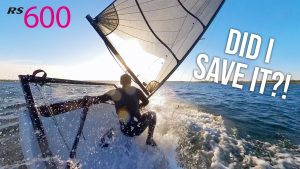
Sailing lost one of its biggest personalities with the passing of Ted Turner, the 1977 America’s Cup winner who helped drag the sport into the mainstream through aggressive racing, sharp one-liners, and a fearless style that rattled the old guard. Long before foiling and billion-dollar campaigns, Turner and Gary Jobson’s dominant Cup run turned Newport into must-watch sports drama and made sailing feel bigger than itself. Away from the headlines, cruisers are rediscovering practical seamanship like safely drying out on tidal ground, proving old-school knowledge still matters. Meanwhile, a windy RS600 club race reminded everyone that even a casual evening sail can turn into full survival mode when the breeze cranks up. From legendary Cup history to everyday sailors battling gusts and tide, the sport still thrives on equal parts skill, chaos, and personality.
The 52 SUPER SERIES opener in Palma wasted no time delivering surprises, with Vayu taking the early lead while brand-new Swedish entry Trinity Racing stunned the fleet by winning a race just weeks after launching its boat, proving that even in one of sailing’s toughest circuits, fresh teams can still shake things up. Offshore racing is also looking ahead in a big way, as Will Harris prepares for back-to-back Ocean Race campaigns that could mean weeks at sea on brutal, high-mileage legs stretching all the way to Auckland. Away from elite racing, sailing’s more relaxed side got a reminder too, with the unofficial “commandments” of beercan racing celebrating the idea that not every race needs protests and shouting matches to matter. Meanwhile, practical upgrades like retrofitting holding tanks and reducing single-use plastics show the quieter evolution happening around everyday sailing life. Across the sport, from packed TP52 starts to twilight club races, adaptability and good culture still go a long way.
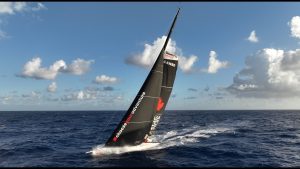
The America’s Cup is making headlines off the water as a legal fight brews over team assets, with INEOS and Athena Racing clashing over ownership in a dispute that could ripple into the next campaign. On the racecourse, the 52 SUPER SERIES is about to kick off with a stacked 14-boat fleet and tricky Palma conditions likely to turn the opener into a tactical battle from day one. Match racing delivered a major moment as Cole Tapper and his all-CYCA crew swept the Congressional Cup final, turning a youth pathway into a world-class result and marking a rare Australian win. Meanwhile, the investigation into the Bayesian sinking is raising tougher questions, with authorities now focusing less on weather and more on decision-making onboard. From courtroom clashes to tight racing and serious reflection at sea, the sport is showing both its competitive edge and its complexity right now.

Racing stayed on a knife edge in Sardinia as Team Nika scraped out a win at the 44Cup Puntaldia after a final day where positions flipped constantly, while GeMera Racing quietly came away with the overall series lead by playing the long game. Meanwhile in Hyères, the Olympic circuit is starting to show clearer form lines, with Jordi Xammar and Marta Cardona backing up their Palma win with another controlled victory to cement themselves as the team to beat, while standout performers like Lauriane Nolot and Max Maeder continued their early-season dominance across classes. It’s a contrast of styles, tight, chaotic fleet racing versus measured consistency at the top, but both are delivering results. Away from the racecourse, boats like the Storm 22 show there’s still strong appeal in simple, versatile designs that blend performance with practicality. Across the board, the message is clear, whether you’re winning by inches or building momentum over weeks, consistency is doing the heavy lifting right now.
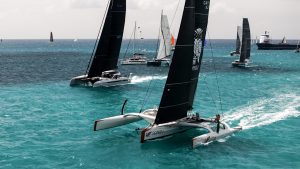
Racing stayed on a knife edge in Sardinia as Team Nika scraped out a win at the 44Cup Puntaldia after a final day where positions flipped constantly, while GeMera Racing quietly came away with the overall series lead by playing the long game. Meanwhile in Hyères, the Olympic circuit is starting to show clearer form lines, with Jordi Xammar and Marta Cardona backing up their Palma win with another controlled victory to cement themselves as the team to beat, while standout performers like Lauriane Nolot and Max Maeder continued their early-season dominance across classes. It’s a contrast of styles, tight, chaotic fleet racing versus measured consistency at the top, but both are delivering results. Away from the racecourse, boats like the Storm 22 show there’s still strong appeal in simple, versatile designs that blend performance with practicality. Across the board, the message is clear, whether you’re winning by inches or building momentum over weeks, consistency is doing the heavy lifting right now.

Racing margins are razor thin right now, with Aleph Racing edging ahead at the 44Cup Puntaldia after a near-perfect opening day in shifty Sardinian breeze, while rivals stayed close enough to keep everything wide open. Off the racecourse, there’s a strong push to broaden the sport, from the return of the Macnamara’s Bowl bringing top female sailors and rising talent together in equal boats, to grassroots leadership opportunities opening up in Australia for those looking to shape sailing from the inside. Meanwhile, performance gains are coming from smarter thinking as much as raw speed, with top crews stripping back their instrument data to focus only on what actually matters, proving that too much information can slow you down. Even on the cruising side, simple upgrades like clean woodwork refits are showing how small changes can make a big difference onboard. Across racing, development, and design, the message is consistent, clarity and precision are what move the needle.
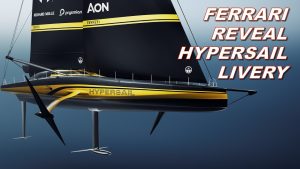
Racing margins are razor thin right now, with Aleph Racing edging ahead at the 44Cup Puntaldia after a near-perfect opening day in shifty Sardinian breeze, while rivals stayed close enough to keep everything wide open. Off the racecourse, there’s a strong push to broaden the sport, from the return of the Macnamara’s Bowl bringing top female sailors and rising talent together in equal boats, to grassroots leadership opportunities opening up in Australia for those looking to shape sailing from the inside. Meanwhile, performance gains are coming from smarter thinking as much as raw speed, with top crews stripping back their instrument data to focus only on what actually matters, proving that too much information can slow you down. Even on the cruising side, simple upgrades like clean woodwork refits are showing how small changes can make a big difference onboard. Across racing, development, and design, the message is consistent, clarity and precision are what move the needle.

The season is building momentum across the board, from busy start lines in the UK J/70 Grand Slam where top teams are already trading blows, to Sail Port Stephens delivering one of its best editions yet with tight racing and a mix of polished race boats and classic underdogs taking silverware. Foiling grabbed the spotlight with British U18 sailor Toby Smith casually resetting the WASZP speed record at 31 knots after spotting a gust and sending it, a reminder of just how fast the next generation is getting. Behind the scenes, World Sailing is investing in the people who make racing happen, rolling out global training programs to strengthen race management from grassroots to elite level. Across competitive fleets, high-speed foiling, and the systems that support it all, sailing is hitting that early-season stride where everything starts to click, and the pace only goes one way from here.

Unsettled conditions are keeping sailors on their toes, from the Solent where the Warsash Spring Championships opened with shifty breeze and strong current rewarding consistency over speed, to Sardinia where the RC44 fleet is lining up in Puntaldia with a wide-open field and tricky local winds ready to shake things up. At the grassroots level, events like the Mornington youth regatta are proving that keeping racing fun and fast is just as important as results, with tight formats and strong vibes helping hook the next generation. Meanwhile, cruising sailors are being reminded that sometimes the best tools onboard are the oldest ones, with traditional anchor techniques offering backup solutions when engines fail. Whether it’s elite fleets battling in unpredictable conditions or sailors rediscovering core skills, the common thread is clear, adaptability still wins races and keeps boats moving when things don’t go to plan.
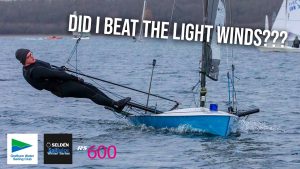
After eight months of racing, the Globe40 came down to the smallest of margins as Ian Lipinski and Antoine Carpentier finally broke clear in the closing miles to seal overall victory, proving once again that even around-the-world races can hinge on one late mistake. In SailGP, fans are getting another look at the U.S. team’s standout Sydney win as the season battle tightens near the top of the leaderboard, while the sport continues to wrestle with how to balance high-speed, TV-friendly racing with safety and logistics, especially looking ahead to future Olympic venues. On the development side, opportunities are opening up with entries now live for the World Abilitysport Youth Games, giving young Para sailors a direct pathway into international competition. Add in the behind-the-scenes work of keeping boats race-ready, from proper deck fittings to constant refinements, and the picture is clear, whether it’s elite racing or grassroots progression, success still comes down to small details executed well.

After eight months of racing, the Globe40 came down to the smallest of margins as Ian Lipinski and Antoine Carpentier finally broke clear in the closing miles to seal overall victory, proving once again that even around-the-world races can hinge on one late mistake. In SailGP, fans are getting another look at the U.S. team’s standout Sydney win as the season battle tightens near the top of the leaderboard, while the sport continues to wrestle with how to balance high-speed, TV-friendly racing with safety and logistics, especially looking ahead to future Olympic venues. On the development side, opportunities are opening up with entries now live for the World Abilitysport Youth Games, giving young Para sailors a direct pathway into international competition. Add in the behind-the-scenes work of keeping boats race-ready, from proper deck fittings to constant refinements, and the picture is clear, whether it’s elite racing or grassroots progression, success still comes down to small details executed well.

Sailing’s mix of ambition and innovation was on full display today, from a 19-year-old jumping into the Clipper Round the World Race after a spontaneous decision in a Tesco car park, to designers continuing to rethink what offshore speed looks like. Sam Manuard’s latest 50-footer is turning heads with its scow-inspired shape, promising high-speed performance without relying on foils and showing how unconventional ideas are pushing offshore design forward. At the same time, youth development is quietly building strength, with Welsh sailing programs producing strong results and creating clearer pathways for young sailors to step into higher levels of competition. Whether it’s a first taste of ocean racing or the evolution of cutting-edge race boats, the thread is the same, sailing remains a sport where bold ideas and fresh energy can quickly turn into something very real.